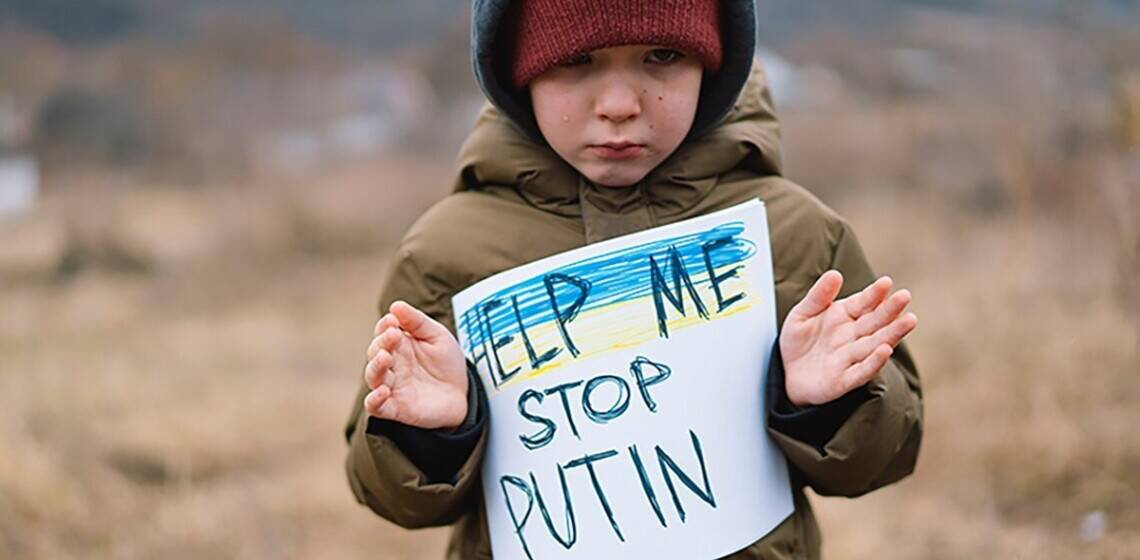
The war in Ukraine has deeply affected the most vulnerable part of society — children. Thousands have been forced to leave their homes, losing access to regular education, medical care, and a safe environment. In these conditions, supporting children becomes not only a humanitarian duty but also a matter of the country’s future.
Key Challenges
-
Psychological trauma. Children often witness destruction and loss, leaving a lasting mark on their emotional state.
-
Barriers to education. Many students study remotely without proper conditions, and some have no access to schooling at all.
-
Loss of stability. Displacement, living in shelters or temporary centers, leads to feelings of uncertainty and fear.
-
Health risks. Limited access to healthcare, vaccinations, and proper nutrition poses a threat to children’s physical development.
How to Help
-
Psychological support. Providing counseling with psychologists, group activities, and art therapy helps children cope with stress and fear.
-
Access to education. Supplying children with devices, internet access, learning materials, and supporting alternative forms of schooling.
-
Humanitarian aid. Delivering food, clothing, hygiene products, warm items, and toys.
-
Safe spaces. Creating child-friendly centers where they can play, learn, and communicate in a secure environment.
-
Medical assistance. Organizing mobile clinics, vaccinations, and access to essential medicines.
Why It Matters
Childhood cannot be “put on hold.” Today, our support determines whether children will preserve their faith in kindness, trust in people, and confidence in the future. Every contribution — whether financial, volunteer work, or simply paying attention to children’s needs — builds the foundation for Ukraine’s recovery after the war.